
YWAM Philippines & University of the Nations Upper Schools
Upper Schools, expand your understanding of God and His Word.
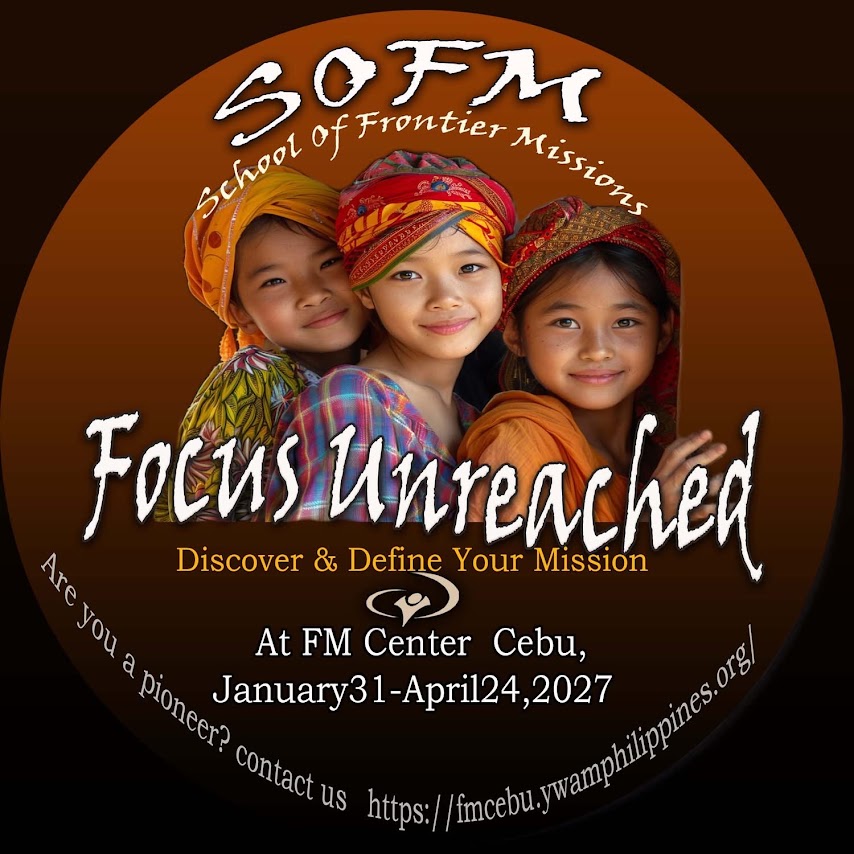
FM Cebu, School of Frontier Missions. Jan 2027
Start your Missions Journey with FM Cebu!
feterraddatz@yahoo.de
+63 995 368 4617
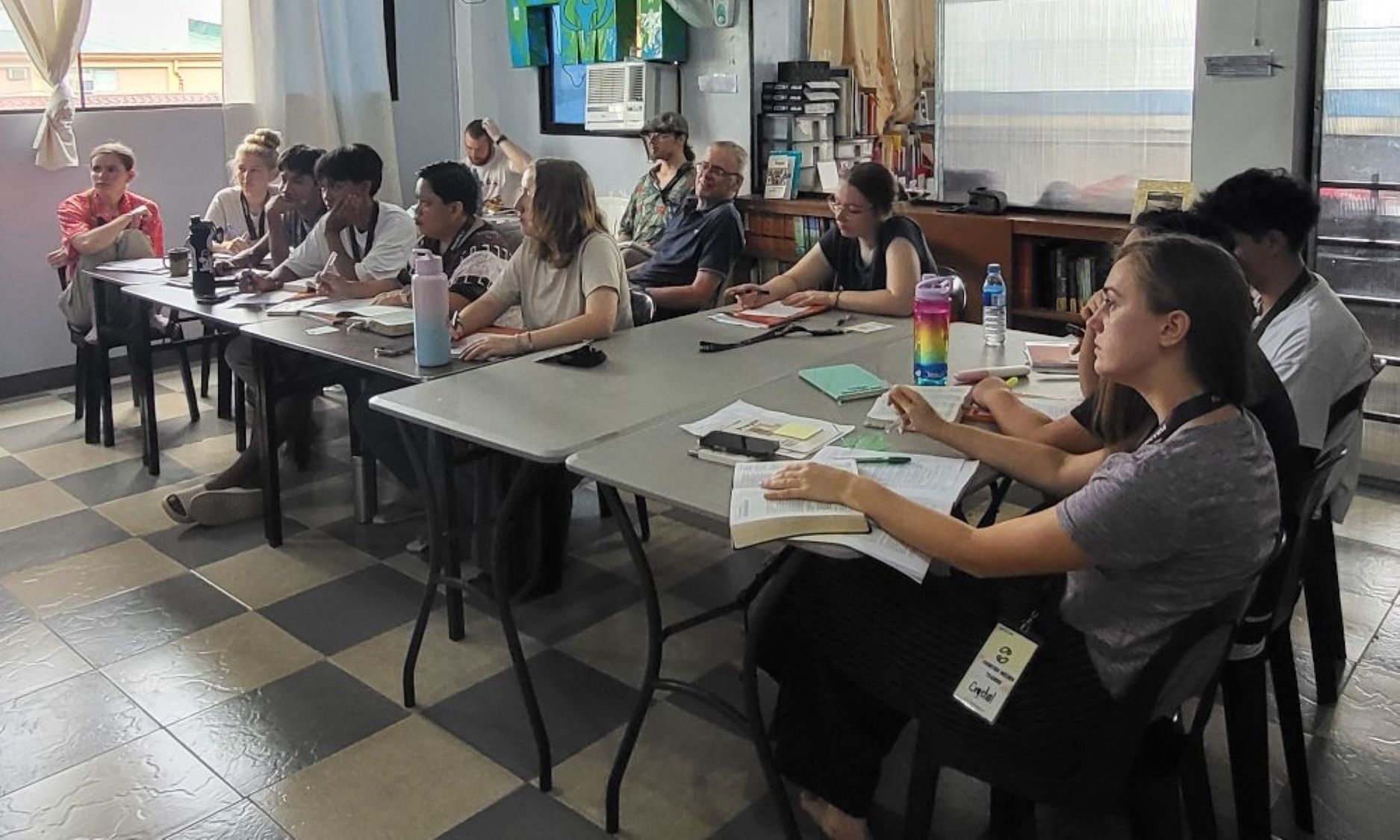
UofN Code: CHR 235
Languages: Cebuano, Tagalog, English
Average Staff: 10
What is SOFM?
Do you have a heart for Cross-cultural missions? Do you feel a passion to share the good news to other nations and their peoples?
The School of Frontier missions is a life-changing school training you to pioneer, equipping you with time proven tools to impact people or nations God put on your heart.
This School will prepare you to cross cultures, share the good news and make disciples that make disciples. Learn from International speakers with a wealth of field experience.
Our Next SOFM Starts January 31, 2027
School Picture Gallery
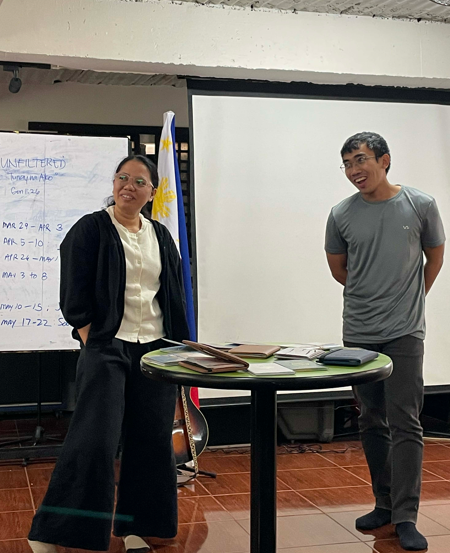
2026 Antipolo July BIBLE SCHOOL FOR THE NATIONS
a City on a hill that cannot be hid
Your Answer Please.
Your Answer Please.

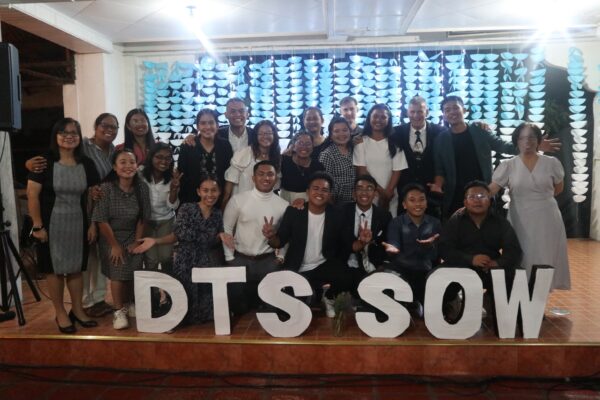
UofN Code: DSP 211
Languages: Tagalog, English
Average Staff: 5
To know God and make Him Known.
What is a Discipleship Training School?
The DTS is a six-month program blending classroom learning, small group activities, personal reflection, practical service, and community living.
Most often, the training comes in two parts: the lecture phase and the outreach phase.
What does a DTS Cost?
The three-month lecture phase ranges in price depending on where you are coming from and where you want to do your DTS.
What is an Outreach?
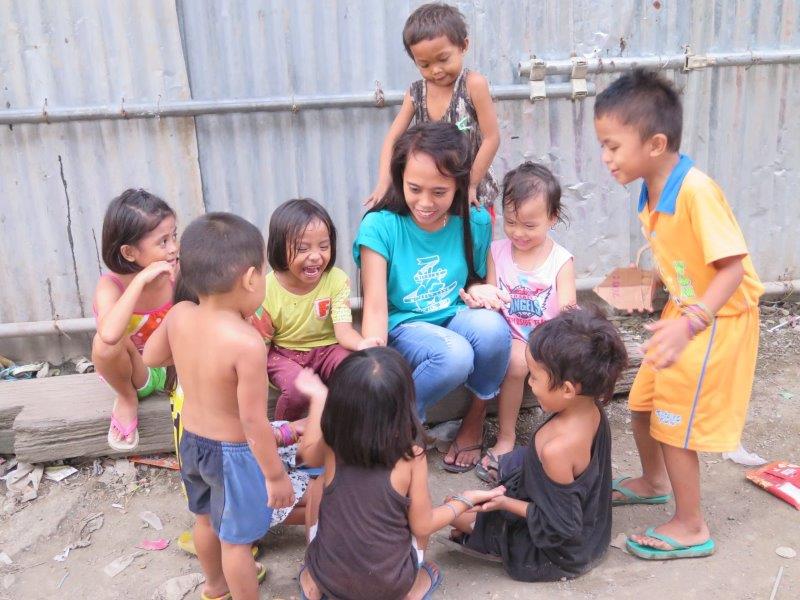
During Outreach, you will put into active times of caring for people and sharing the good news of Jesus.
This may be in the country you are doing the DTS or a totally different country.

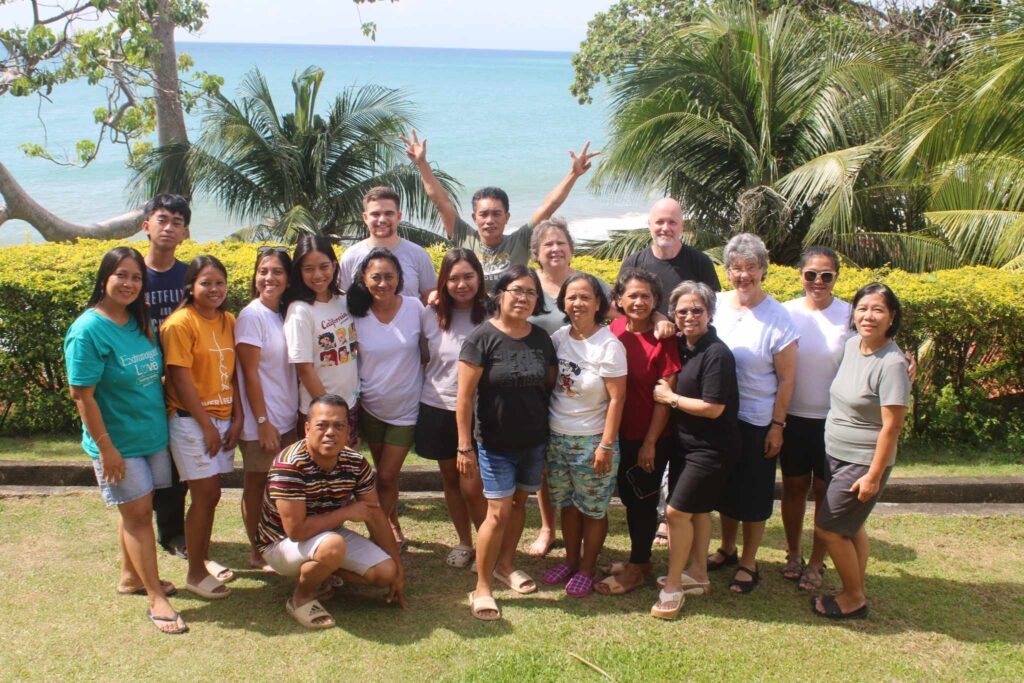
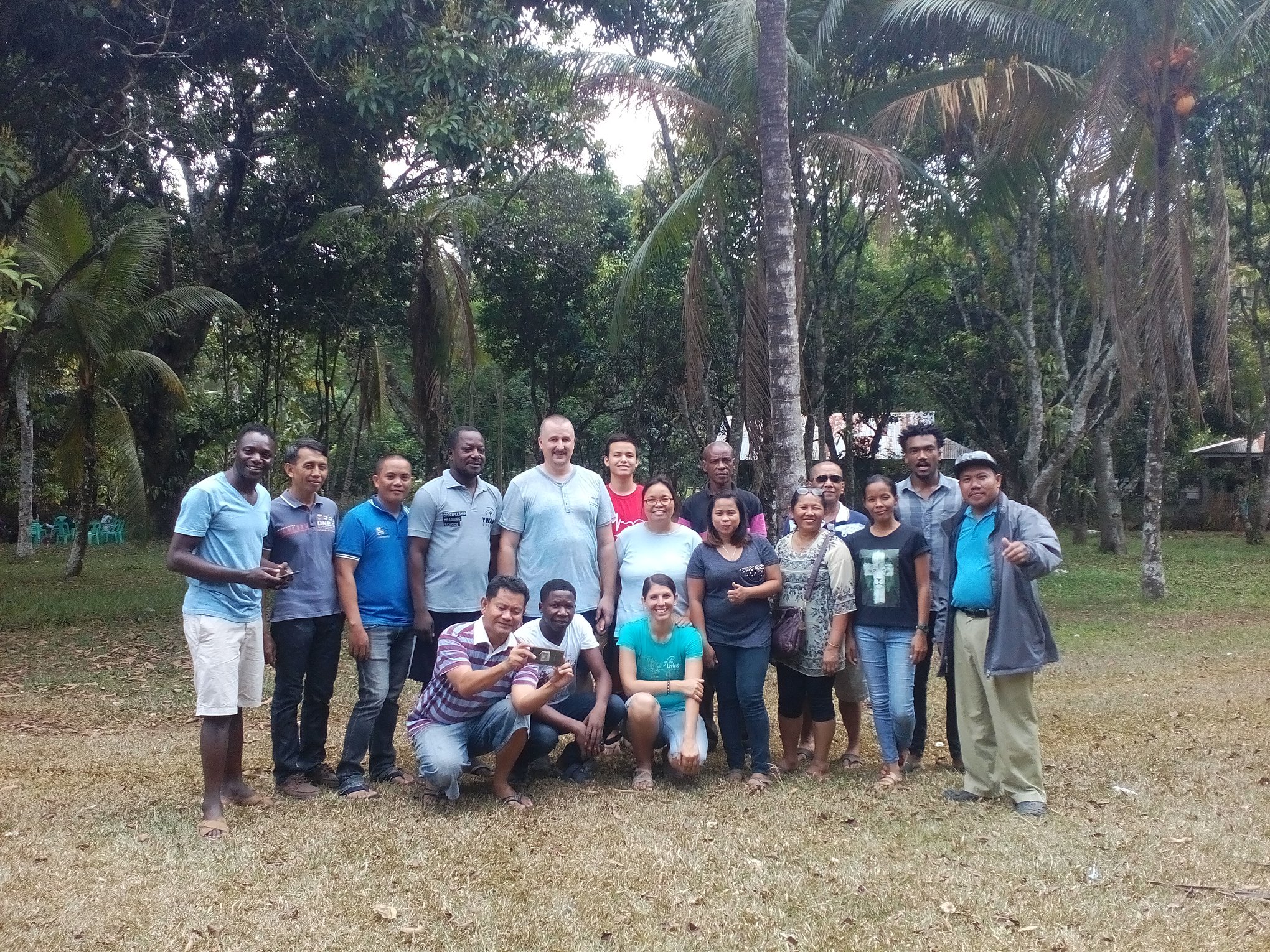
2027 Antipolo June, School of Worship
a City on a hill that cannot be hid
Your Answer Please.
Your Answer Please.
UofN Code: DSP 211
Languages: Tagalog, English
Average Staff: 5
To know God and make Him Known.
What is a Discipleship Training School?
The DTS is a six-month program blending classroom learning, small group activities, personal reflection, practical service, and community living.
Most often, the training comes in two parts: the lecture phase and the outreach phase.
What does a DTS Cost?
The three-month lecture phase ranges in price depending on where you are coming from and where you want to do your DTS.
What is an Outreach?
During Outreach, you will put into active times of caring for people and sharing the good news of Jesus.
This may be in the country you are doing the DTS or a totally different country.

2027 Bukidnon CBCC - Chronological bible core course
Come Join Us.
ywambukidnon@gmail.com
+63 917 882 0649


UofN Code: DSP 211
Languages: Cebuano, Tagalog, English
Average Staff:
To know God and make Him Known.
What is a YWAM CBCC?
CBCC stands for Chronological Bible Core Course.
It is a Bible study training program offered by Youth With A Mission (YWAM), part of the University of the Nations (U of N).
Key Details:
- Length: Usually 3 months (full-time residential version) or 9 months (part-time version designed for staff or people with jobs).
- Focus: Students read through the entire Bible from beginning to end in chronological order (the order the events actually happened, not the order the books are printed in the Bible).
- Main Goal: Help people develop a deep love for God’s Word and learn how to study the Bible effectively using the Inductive Bible Study method (Observation → Interpretation → Application).
What You Do in the CBCC:
- Read the whole Bible
- Study major books in depth
- Learn tools for personal Bible study
- Memorize scripture
- Worship, prayer, and teaching sessions
- Often includes small group discussions and occasional outreach



Languages:
Average Staff: 0
It's focused on healing, wholeness, and transformation through biblical truth, counseling, and a deeper relationship with Jesus.
School Picture Gallery
2027 Bukidnon SBCW - School of Biblical Christian Worldview
Come Join Us.
ywambukidnon@gmail.com
+63 917 882 0649
UofN Code: DSP 211
Languages: Cebuano, Tagalog, English
Average Staff:
To know God and make Him Known.
What is a YWAM SBCW?
SBCW stands for School of Biblical Christian Worldview.
It is a University of the Nations (U of N) course offered by Youth With A Mission (YWAM). It is classified as an Applied Christian Thinking Core Course.
Key Details:
- Duration: Usually 3 months (12 weeks) lecture phase.
- Credits: Students typically receive 12 U of N credits upon successful completion.
- Prerequisite: Almost all YWAM locations require you to have completed a DTS (Discipleship Training School) before joining the SBCW.
What is the focus of the SBCW?
The school helps students develop a strong Biblical Worldview — seeing every area of life (culture, society, politics, arts, science, education, media, economics, etc.) through the lens of Scripture.
You will learn:
- How to think Christianly about today’s world
- The history of ideas and philosophies that shaped modern culture
- How to analyze and respond to non-biblical worldviews
- The role of the Church in transforming nations
- Practical ways to apply biblical truth in different spheres of society
Typical Topics Covered:
- Biblical worldview foundations
- Philosophy and history of ideas
- Theology and culture
- Arts, media, and worldview
- Government, economics, and justice
- Science and faith
- Discipling nations

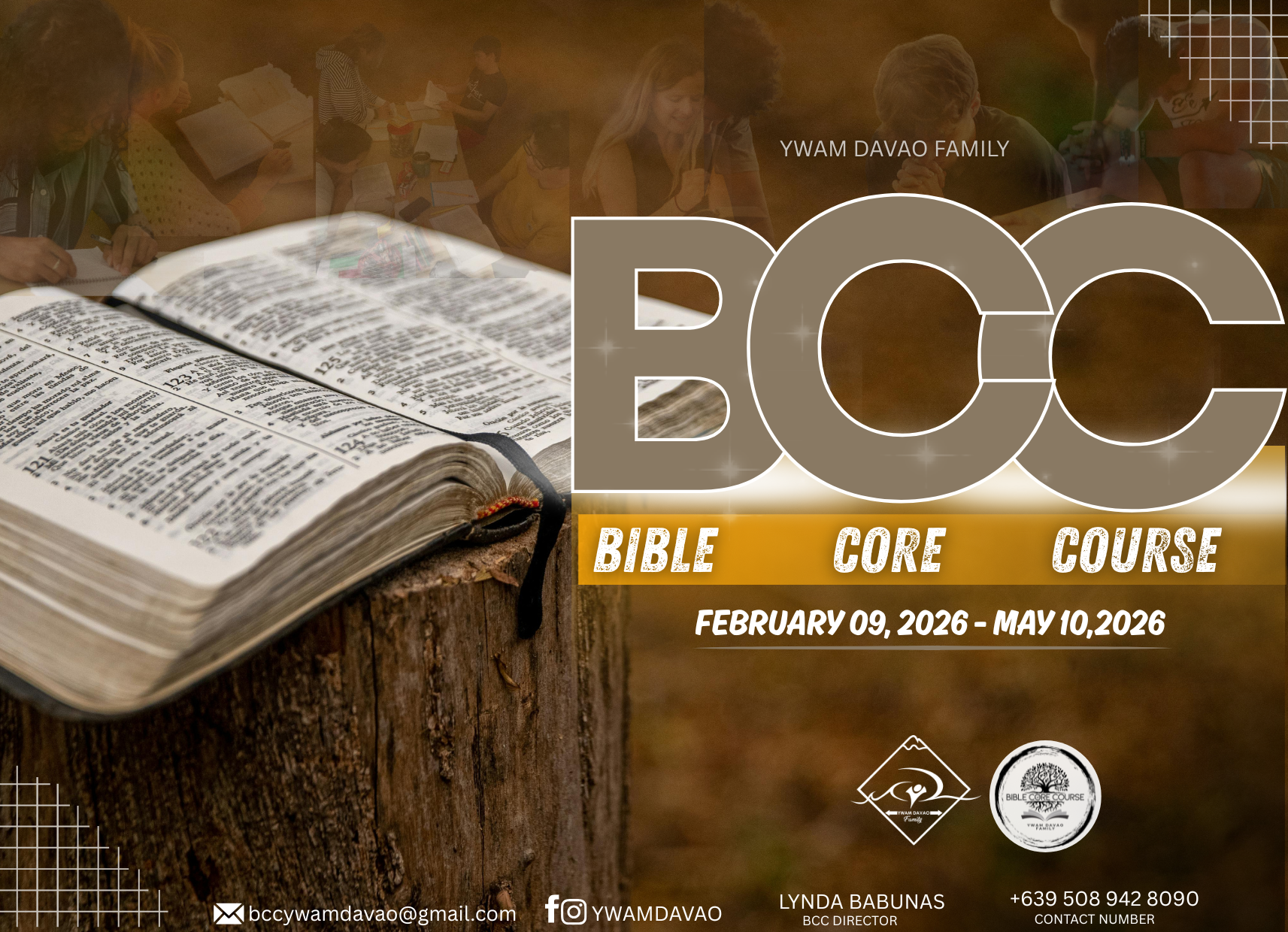
2027 Davao BCC - Bible Core Course
Come Join Us.
ywamdavao@gmail.com
+63 962 776 2319

UofN Code: CHR 211
Languages: Cebuano, Tagalog, English
Average Staff:
To know God and make Him Known.
What is a YWAM BCC?
BCC stands for Bible Core Course.
It is a well-known 3-month (12-week) intensive Bible study program offered by Youth With A Mission (YWAM) as part of the University of the Nations (U of N).
Key Details:
- Length: 12 weeks (usually full-time and residential)
- Level: Second-level course (most locations require you to have completed a DTS first)
- Credits: Typically gives 12 U of N credits
- Focus: In-depth study of the Bible using the Inductive Bible Study method (Observation → Interpretation → Application)
What You Do in the BCC:
- Study 13–15 books of the Bible in depth
- Gain a solid overview of the whole Bible (Old and New Testament)
- Learn multiple creative methods for reading, interpreting, and applying Scripture
- Develop strong personal Bible study habits you can use for life
- Usually includes teaching, small groups, memorization, and practical application


FM Cebu, School of Frontier Missions. Jan 2028
Start your Missions Journey with FM Cebu!
feterraddatz@yahoo.de
+63 995 368 4617
UofN Code: CHR 235
Languages: Cebuano, Tagalog, English
Average Staff: 10
What is SOFM?
Do you have a heart for Cross-cultural missions? Do you feel a passion to share the good news to other nations and their peoples?
The School of Frontier missions is a life-changing school training you to pioneer, equipping you with time proven tools to impact people or nations God put on your heart.
This School will prepare you to cross cultures, share the good news and make disciples that make disciples. Learn from International speakers with a wealth of field experience.
Our Next SOFM Starts January 31, 2027


